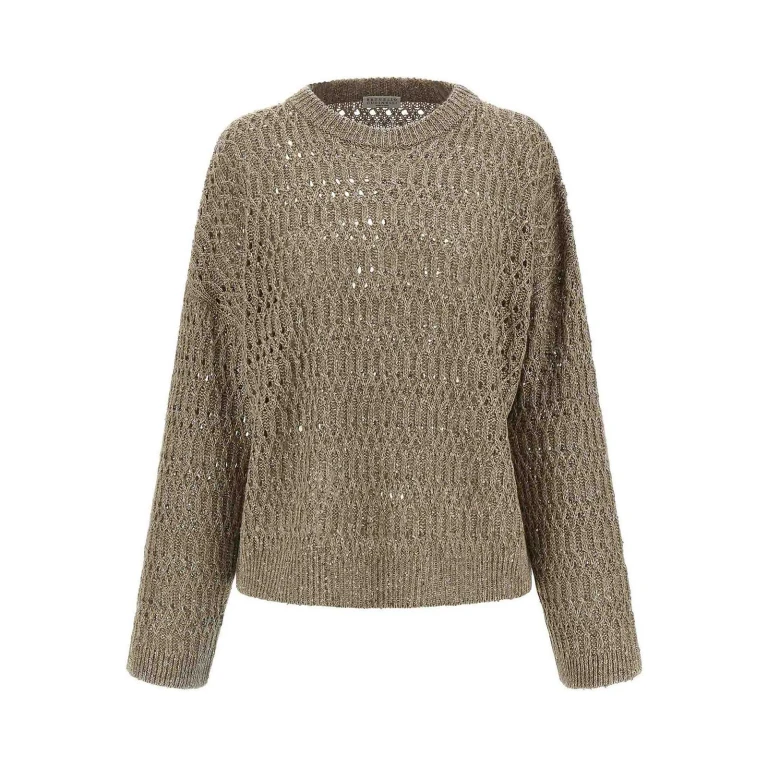
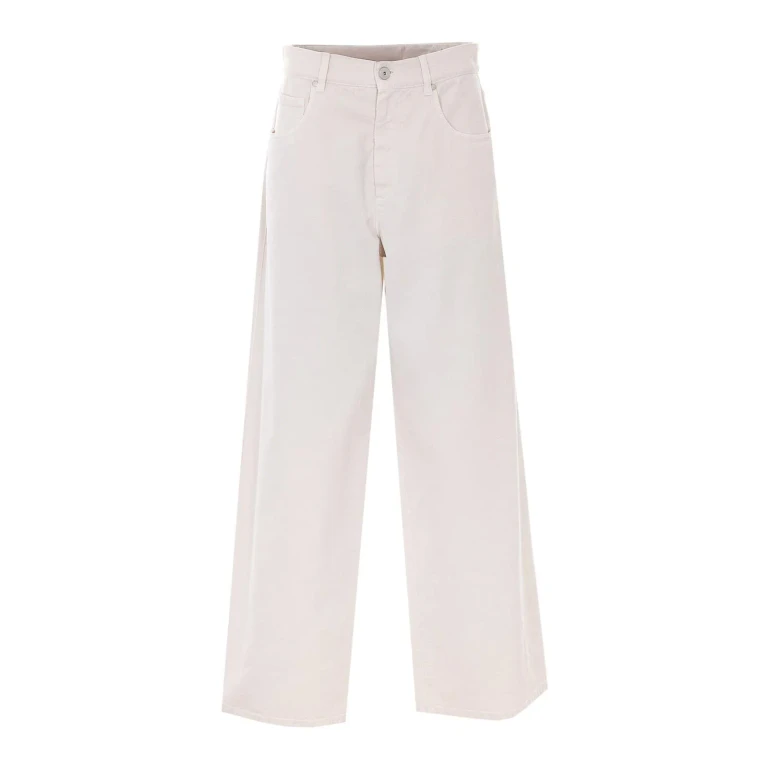
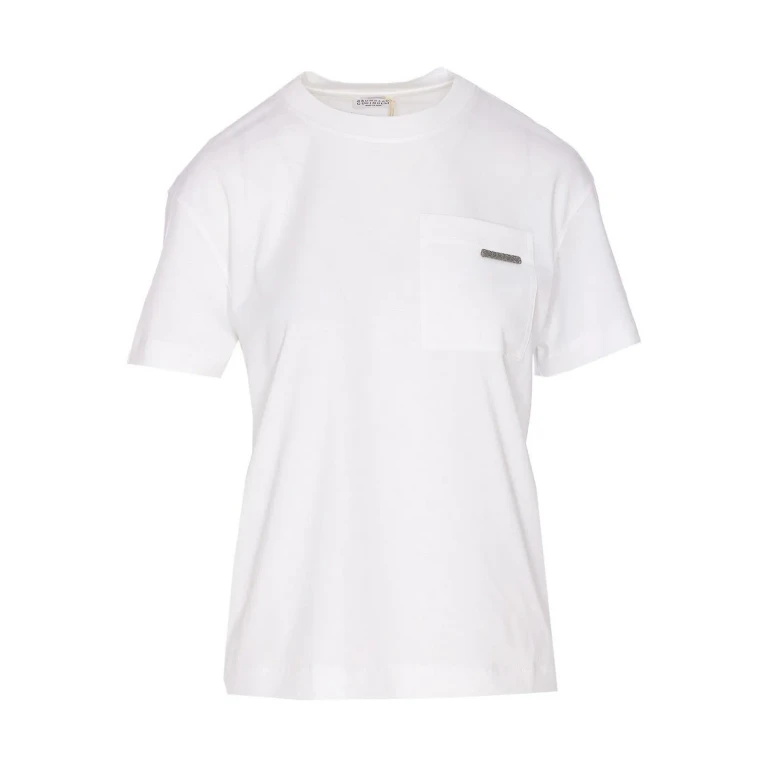
The first mistake with Brunello Cucinelli is shopping it like a bag house. There is no Kelly here, no Birkin, no single piece that defines the brand from a distance. Brunello Cucinelli is a wardrobe brand, and the reason people return season after season is much quieter than that.
The brand was founded in 1978 by Brunello Cucinelli in the medieval Umbrian village of Solomeo, with one strange idea for the time: dyed cashmere knitwear in colors the category had not really seen (Brunello Cucinelli (brand), Wikipedia)). In 1985 he bought the 14th-century castle in the village, restored it over two years, and moved the headquarters there in 1987 (Brunello Cucinelli (brand), Wikipedia)). In April 2012 the company listed on Borsa Italiana at EUR 7.75 per share, was oversubscribed seventeen times, and closed its first day up about 37 percent (Brunello Cucinelli Initial Public Offering, Euronext).
A decade later, the brand became the public face of the quiet luxury movement that took shape alongside Loro Piana around 2023, after the Succession finale and a string of unbranded looks moved the conversation away from logos toward fabric, fit, and tailoring (Cucinelli's skyrocketing growth shows quiet luxury is here to stay, Glossy). First-half 2023 profit rose about 32 percent, and the brand was repeatedly described in trade press as the "poster child" of the trend (Why Brunello Cucinelli is the poster child of quiet luxury, South China Morning Post).
That story matters when you're choosing a first piece, because it tells you what the brand is built to do. Not statement objects — quiet wardrobe pieces. The trick is figuring out which of the three usual entry points is actually empty in your closet.
Three doors into the brand
Most first Brunello Cucinelli purchases come down to one of three pieces. They look similar on the website and feel completely different in a year of wear.
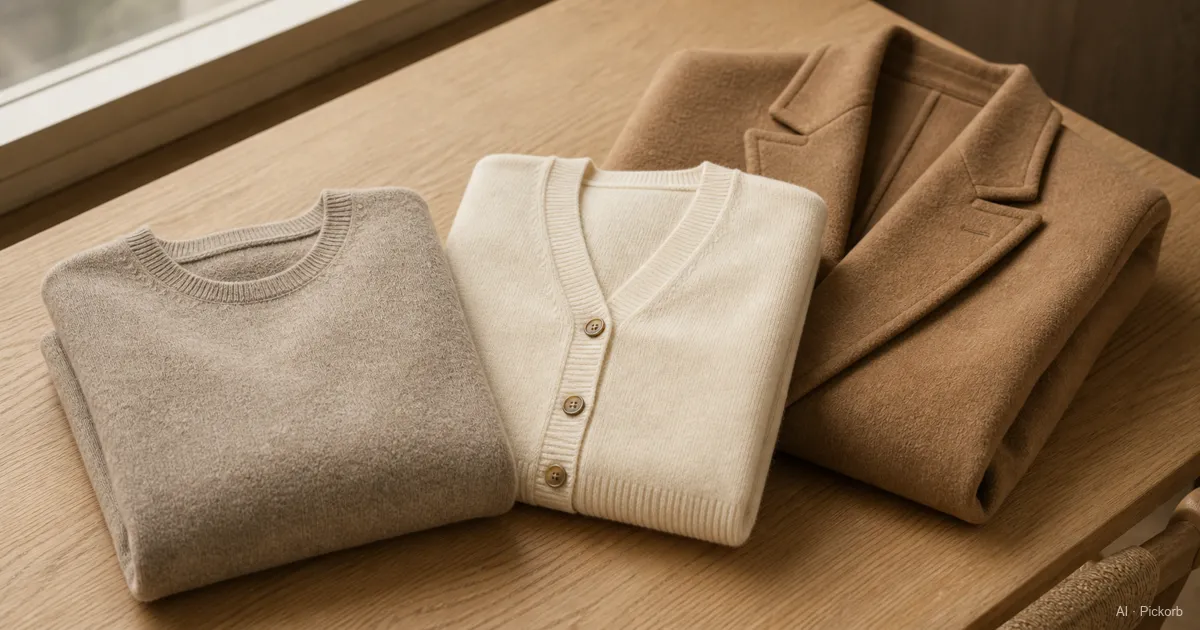
- A cashmere pullover or cardigan — the original product the company was built on, still the strongest single argument for the brand.
- A monochrome coat in cashmere or wool, with the signature softly structured tailoring and the brand's neutral palette.
- A workday shirt — cotton or cashmere, often with the discreet monili bead detail at the collar or cuff, designed to read as elevated without reading as dressy.
The cashmere came first, and it's still the heart of the brand. Cucinelli's original 1978 proposition was dyed cashmere for women in colors the category had not seen, and the artisanal knitwear program in Solomeo is the part of the business with the deepest expertise behind it (Solomeo, Hamlet of Cashmere and Harmony, Brunello Cucinelli). Coats and tailoring grew out of that knitwear logic — softly structured, neutral, designed to layer rather than announce themselves. Shirts and the monili detailing arrived as the wardrobe story expanded.
Cashmere first: the piece the brand is built around
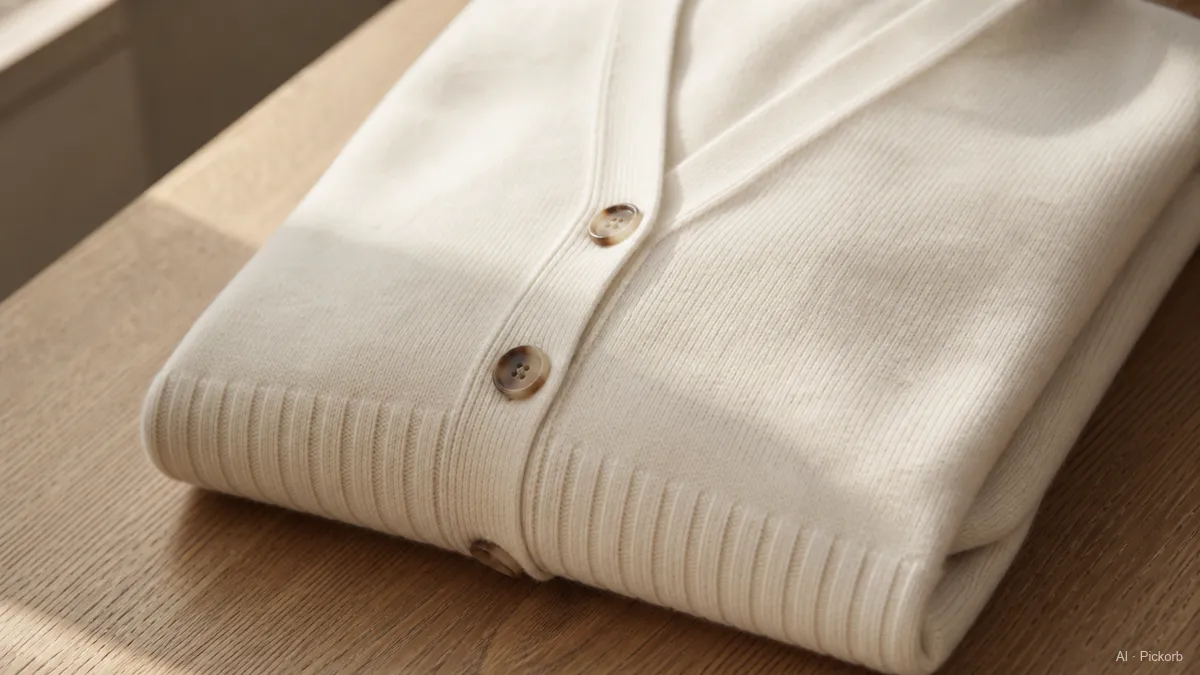
If you've never owned a Brunello Cucinelli piece, a cashmere pullover or cardigan is almost always the right first purchase. It's the product that built the company, it's the piece that gets the deepest production attention in Solomeo, and it's the easiest to slot into a wardrobe that already exists.
Prices typically run around $1,800 to $2,600 for a standard cashmere pullover, with embellished pieces such as a sequined or beaded turtleneck reaching about $3,995 (Women's Brunello Cucinelli Designer Cashmere Sweaters, Saks Fifth Avenue). That puts the entry tier roughly in line with Loro Piana cashmere, and slightly above what most premium contemporary brands ask for their best wool knits.
Two patterns to know:
- Color is the original argument. Cucinelli's 1978 proposition was dyed cashmere in colors the category hadn't seen. The brand still leans toward soft neutrals — oat, dove, mushroom, faded olive, terracotta — that read as quiet against a tailored jacket and still carry visible color in daylight.
- The cuts are designed to layer. Pullovers tend to run slightly oversized in the body but cleaner at the shoulder than most contemporary knit. They sit naturally under a coat without bunching, and they read as a finished outfit on their own with trousers.
A first Brunello cashmere piece does the unusual job of feeling expensive without looking like it's trying. That's the brand's actual promise.
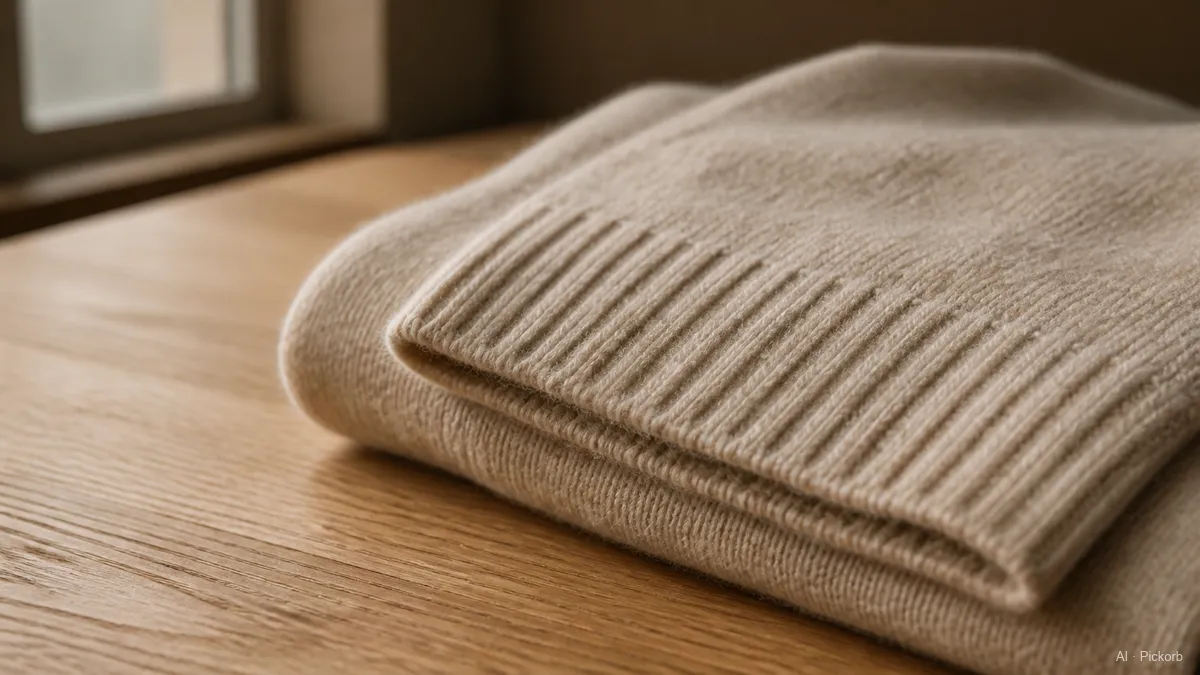
A second cashmere shape: the cardigan or pullover for daily wear
Once you've worn one Brunello cashmere piece for a season, the second purchase almost always sits in the same family. The brand quietly built a deep program of pullovers, cardigans, and lightweight knit jackets, and the differences between them only become obvious when you're choosing between two of them in your own closet.
Two practical splits:
- Pullover vs cardigan. A pullover commits to one silhouette and reads cleaner under a coat. A cardigan is more flexible — it works as a light third layer indoors, opens up the outfit when the weather turns, and tends to age slightly more visibly because the front is asked to do more work.
- Light vs heavier gauge. Lighter cashmere reads year-round but suits transitional weather most clearly. Heavier gauge cashmere or cashmere blends pull their weight in winter and look more substantial under tailoring, but feel heavier indoors.
The piece worth being honest about: this is the category where the brand asks the most from the price tag. The first piece earns its place because cashmere quality is genuinely visible after a season — the way it holds shape, the way it pills (much less than mid-priced cashmere), the way the color stays even after washing. A second cashmere piece is where you decide whether the brand has earned a permanent slot in the rotation.
A monochrome coat: the piece that smooths a whole outfit
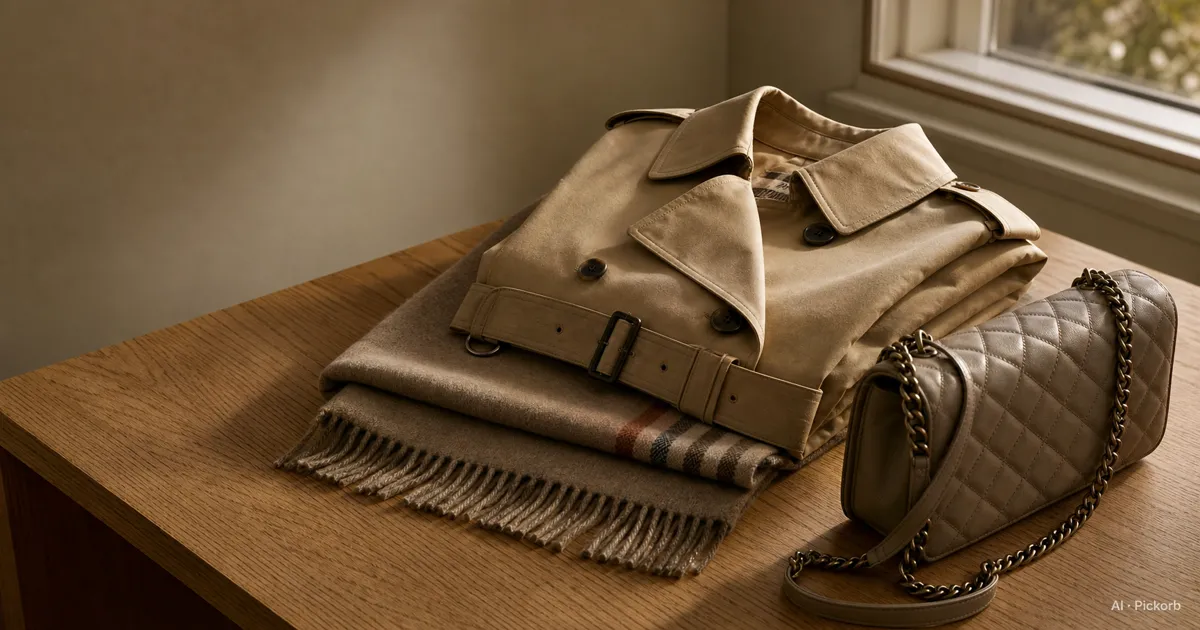
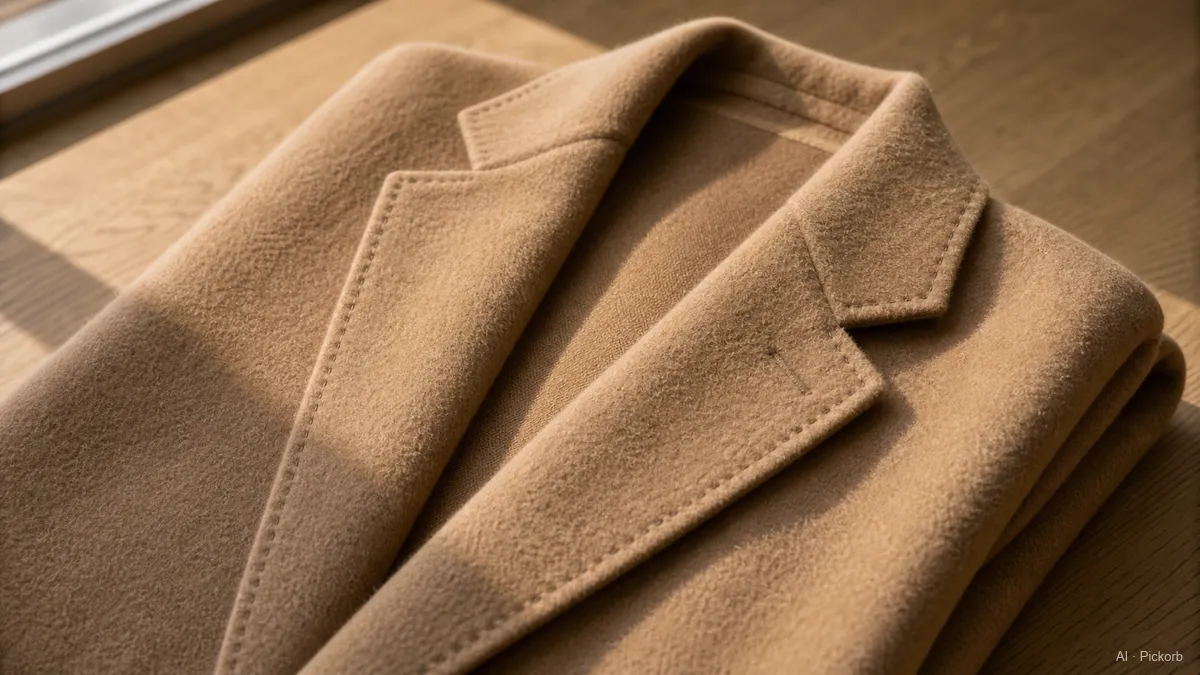
A Brunello Cucinelli coat is the second most common first purchase, and the right one for a wardrobe that already has enough knits. The brand's coats are built on the same softly structured tailoring as its knits, with neutral palettes and monili bead detailing that catches light without reading as decoration (Brunello Cucinelli Wavy Shearling Coat with Monili, Saks Fifth Avenue).
The coats do something specific: they smooth the whole outfit underneath them. A pair of dark trousers and a basic crewneck reads as a complete look once a well-cut Cucinelli coat goes over the top, in a way that even a much more expensive logo coat tends not to manage. That's the quiet luxury logic in physical form — the coat is doing the heavy lifting, and nothing about it announces that it's doing it.
Two situations the coat is the right first piece:
- A wardrobe that already runs on knits and tailoring. The Cucinelli coat doesn't duplicate; it finishes the silhouettes that are already there.
- A workday that needs one piece to lift everything. A neutral monochrome coat replaces the job that a much louder bag tries to do in other brand stories.
Two situations where it's not the first choice:
- A wardrobe built around streetwear and sneakers. The coat's softly tailored line works against very casual silhouettes; the brand reads as misplaced rather than elevated.
- A first purchase looking to anchor the closet around one piece. The coat is a layering object, not a centerpiece. A cashmere pullover usually does that anchoring job better.
What changes after a season with each
A season of wearing each piece makes the brand's pattern obvious in a way the website never does:
- The cashmere outlasts comparison. The same pullover reads as quietly expensive at year three the way it did at month three, which is where the price gap with mid-tier cashmere actually shows up.
- The coat changes how the rest of the closet feels. Once a Cucinelli coat is in rotation, the wardrobe tends to drift toward neutrals and softer tailoring underneath. Most people end up adding one or two pieces to suit the coat, not the other way around.
- Logos stay quiet. Monili beading and small interior labels are the brand's only signals on most pieces. People who already know the brand recognize it from across the room; people who don't, don't.
So which one first?
Honestly, it usually comes down to one question: what does your closet most often fail to do?
- Knits feel cheap after a season, you want a piece you can keep for ten: the cashmere pullover or cardigan is the first piece.
- The outerwear in your closet doesn't lift the rest of the outfit: the monochrome coat is the first piece.
- You already have great knits and outerwear and want to extend that quiet language into daily workwear: *a shirt with the monili detail is the first piece.*
The mistake most first-time Brunello buyers make is shopping the brand like a bag house, looking for one signature object. There isn't one. The brand was built for the part of the closet that gets worn the most, and that's where the first piece almost always belongs.
Sources
- Brunello Cucinelli (brand) — Wikipedia): 1978 founding in Solomeo with dyed cashmere knitwear, 1985 castle acquisition, 1987 headquarters move, humanistic capitalism principle.
- Solomeo, Hamlet of Cashmere and Harmony — Brunello Cucinelli: Solomeo as the home of the cashmere knitwear program and Forum of the Arts.
- Brunello Cucinelli Initial Public Offering — Euronext: April 2012 listing on Borsa Italiana at EUR 7.75 per share.
- Cucinelli's skyrocketing growth shows quiet luxury is here to stay — Glossy: 2023 quiet luxury movement and Cucinelli's role at the center of it.
- Why Brunello Cucinelli is the poster child of quiet luxury — South China Morning Post: first-half 2023 profits up about 32 percent, "King of Cashmere" framing.
How this guide was built
This piece came out of how often first-time Brunello Cucinelli buyers shop it like a bag house, when it is actually a wardrobe brand. We anchored the company background — the 1978 founding in Solomeo, the 1985 acquisition of the medieval castle and the headquarters move in 1987, the 2012 Borsa Italiana IPO, and the brand's role in the quiet luxury movement that took shape alongside Loro Piana around 2023 — to the Wikipedia entry, the Brunello Cucinelli company pages, Glossy's reporting and the South China Morning Post coverage of the 2023 results. The recommendations sit on the pieces Chexlow currently surfaces from partner merchants, so the framing reflects what a reader can actually act on.
Chexlow topic editor · AI illustration disclosed in image alt text